Track Saw Care & Setup
When and How to Replace a Track-Saw Splinter Strip
Replace a track-saw splinter strip when damage, wear or a changed saw-and-blade relationship prevents it from serving as the intended cut reference and edge support. It is a consumable component, but replacement is not just peeling on any rubber tape. The material, placement and first trimming procedure must suit the exact rail system.
As an Amazon Associate I earn from qualifying purchases. How affiliate links work.
Inspect the relevant offer
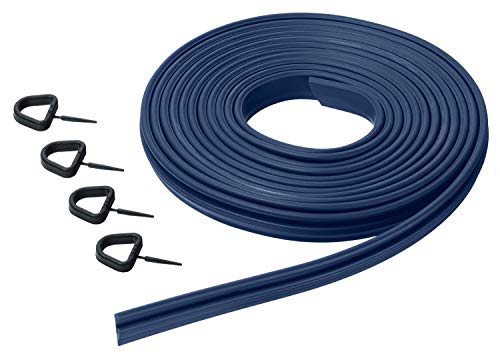
These DEWALT DWS5029, Makita 194419-4 and Bosch FSNSS listings are distinct splinter-edge replacements. Choose the strip documented for your exact rail; DEWALT DWS5032 is an underside high-friction strip, not the same part.

DEWALT Anti-Splinter Strip Replacement for Tracksaw (DWS5029) , Black
Check Amazon offerKnow which strip you are looking at
A guide rail can have different surfaces for different jobs: a cut-edge splinter strip, underside grip pads and top running strips. They are not interchangeable replacement parts. The splinter strip sits at the blade-side reference and is normally established by the specified initial trimming operation. If your complaint is a rail slipping on the panel, inspect the grip surfaces separately. Replacing the cut-edge strip will not automatically solve a loss of traction underneath the track.
Inspect alignment as well as visible damage
Missing chunks are obvious, but a strip can also be too far from the current blade's kerf. That may happen after another saw or a different blade trims it. Check the actual reference on representative scrap rather than assuming an intact-looking edge is calibrated. Pay attention to the section of rail used most often and any join between rails. A short damaged area near the starting position can affect layout even when most of the strip remains serviceable.
Order for the rail, not only the brand name
Match the replacement to the exact rail family and follow the manufacturer's part guidance. Similar-looking strips can differ in profile, adhesive or width. Confirm the length required and whether a joined system needs separate pieces. Avoid describing generic adhesive rubber as a guaranteed substitute unless the rail maker approves it. The cost of a correct strip is small compared with an inaccurate cut in a finished panel, and reliable replacement information is useful when choosing a rail ecosystem in the first place.
Prepare the channel without damaging it
Disconnect the saw and keep it away while working on the rail. Follow the rail manufacturer's instructions for removing the old strip and adhesive, including permitted cleaning products. An aggressive solvent can harm other rail components or leave residue that weakens the new bond. Inspect the rail itself for damage before installing a new strip. Replacement rubber cannot straighten a bent extrusion or repair a damaged guide surface, so resolve those issues rather than covering them with a fresh reference edge.
Trim with the actual intended configuration
Install and condition the replacement as directed, then use the specified first-cut procedure with the saw and blade that will normally run on it. Do not improvise unsupported overhang or a reverse cut to reach every end. The rail's usable reference area must be understood within the system instructions. If multiple saws share the rail, verify whether their cut lines match closely enough for that arrangement; otherwise, a separate rail or clearly identified configuration may be more reliable.
Check a finished dimension before trusting it
After the strip is established, make a trial part and compare the retained dimension with the layout. Inspect the edge finish too. Label the rail or record which saw and blade combination established its reference, especially in a shared shop. A strip is not a permanent universal zero line. Revisit the relationship when a blade changes, the saw is serviced or the rail is borrowed. These checks preserve the main convenience of the system: placing a known reference directly where the finished edge belongs.
Questions about When and How to Replace a Track-Saw Splinter Strip
Do all rail strips fit all brands?
No. Match the replacement to the exact rail system and installation requirements. Similar appearance does not establish profile or adhesive compatibility.
Can I keep using a chipped splinter strip?
Assess whether the damage affects the usable reference or required edge support. Follow the rail manufacturer's replacement guidance and verify the result on scrap before finished work.
Must I replace it every time I sharpen a blade?
Not automatically. Check the resulting blade-to-strip relationship and the manufacturer's guidance. Replace or recalibrate when the actual reference or support no longer works as intended.