Track Saw Blades & Accessories
Track Saw Splinter Strips: Replacement and Blade Changes
The rail’s splinter strip is both a consumable edge and a visual reference for placing the cut. When it is damaged, detached or no longer aligned with the installed blade, careful measurement against the strip can still produce the wrong result. Inspect it before finish work and replace it using the rail maker’s procedure.
As an Amazon Associate I earn from qualifying purchases. How affiliate links work.
Inspect the relevant offer
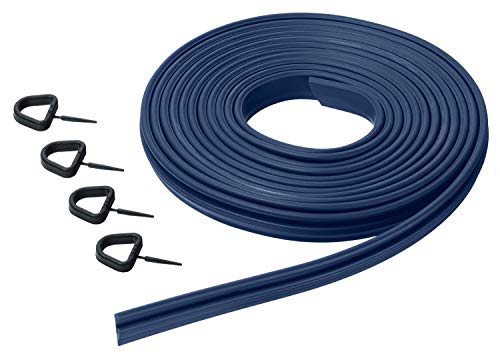
Splinter-edge replacements and underside grip strips serve different purposes. These are three separate rail-family offers, not interchangeable parts. DEWALT DWS5032 is a high-friction strip, whereas DWS5029 is the anti-splinter replacement.

DEWALT Anti-Splinter Strip Replacement for Tracksaw (DWS5029) , Black
Check Amazon offerIdentify which strip you are replacing
Guide rails can have a splinter-control edge, low-friction sliding surfaces and anti-slip material underneath. Those parts have different jobs and are not interchangeable adhesive tapes. Before ordering, locate the exact rail model and replacement part description. A seller’s generic track-saw strip title may refer to the wrong surface. Compare dimensions, material and the intended installation location. Keep unrelated furniture grip tape or improvised packing strips out of the guide system unless the manufacturer explicitly supports that use.
Use the strip as a reference only when it is sound
Look for missing sections, loose adhesive, uneven wear and damage near rail ends or joints. A straight aluminum extrusion does not make a torn strip a reliable cut-line indicator. Determine whether the strip is correctly related to the current saw and blade setup before placing a finished dimension against it. If the edge is no longer trustworthy, use the manufacturer’s replacement or recalibration process. Do not compensate by guessing a different offset along different portions of the rail.
Blade changes can change the relationship
A replacement blade must first meet the saw’s complete requirements. Even among approved blades, inspect how the cutting teeth relate to the previously trimmed strip. Sharing a rail between different saws can also change the reference. Mark dedicated combinations if that prevents confusion in a mixed shop. Do not assume that identical nominal blade diameter creates identical lateral tooth position. A controlled test on scrap is the place to verify the updated setup before cutting a visible panel edge to final size.
Prepare the surface as the instructions require
Disconnect and remove the saw from the work area before servicing the rail. Follow the strip maker’s procedure for removing old material and preparing the attachment surface. Avoid unapproved solvents that could affect finishes or adhesives. Keep the new strip straight and securely attached without stretching it into a different shape. Allow any required adhesive settling time. The purpose of preparation is consistent contact; extra glue or stacked layers are not a substitute for the correct replacement component.
Trim a new edge using the documented setup
Use the manufacturer’s initial trimming procedure with the intended saw, suitable blade and properly supported material. Different systems can specify different details, so do not copy a setting from another brand. Inspect the resulting edge before treating it as a finished reference. Keep hands and temporary fasteners out of the cutting path. If the trim is ragged or inconsistent, resolve the blade, support or installation issue rather than proceeding directly to an expensive project piece.
Decide whether replacement solves the actual problem
A new strip can renew a worn reference, but it cannot straighten a bent rail, align a poor joint or correct an unsuitable blade. Examine where the cutting defect occurs. Chipping isolated to an unsupported offcut or a misaligned seam requires a different correction. Keep strips in the maintenance budget because they wear, but avoid treating them as a cure for all edge defects. The useful result is a complete setup whose cut line and physical support are both predictable.
Questions about Track Saw Splinter Strips: Replacement and Blade Changes
Can I use one rail with different blades?
Potentially, when each blade is approved for its saw, but verify the cut-line relationship after changing setups. A strip trimmed for one arrangement may not remain an exact reference for another.
Is the anti-slip strip the same as the splinter strip?
No. The underside grip material and the working edge serve different functions. Order the replacement specified for the exact location and rail.
Should I replace a rail when its splinter strip wears out?
Not automatically. If the rail is straight and otherwise serviceable, the specified replacement strip may restore the reference. Inspect for structural damage and other causes before deciding.